
Microphones Guide Part 2: Types, Uses, and Applications Explained.
From technical features to real-world applications, this guide explains microphones types and uses. Find the perfect mic for podcasts, music, or professional audio projects.
Alberto Cano
1/22/2026
Today we’re going to look at microphone types. As we said in last week’s post, this is part 2 of the series. To make it simple, microphones can be divided into two groups.
The first is how they work:
Dynamic mics are tough and great for live shows.
Condenser mics are super sensitive, so they’re mostly used in studios.
Ribbon mics give a warm, old‑school sound, but they’re fragile.
Electret mics are a smaller version of condensers, common in portable gear.
Piezo or contact mics pick up vibrations straight from surfaces like instruments or tables.
Microphones can also be grouped by how they’re used or their format:
Boom or shotgun mics are placed on poles, very directional, and common in movies and TV.
Lavalier mics are small and easy to hide, great for interviews or theater.
Parabolic mics pick up sounds from far away, often used in sports or nature recordings.
USB mics are simple to use, with built‑in digital conversion, perfect for podcasting at home.
Wireless mics can be dynamic or condenser, and they work through RF signals, giving freedom of movement.
Let’s go mic by mic to see which works best for different projects.
Price: usually low to mid‑priced.
Sensitivity: low, so it doesn’t pick up too much background noise.
Frequency response: good for bass and mids, not so great for highs.
Polar pattern: mostly cardioid, meaning it listens mainly to what’s in front.
Durability: super tough, can handle rough use.
Main use: perfect for live concerts, singing, and amplified instruments
First up: the dynamic microphone.
Important note: The price ranges mentioned here are based on average market values. Since I consulted prices in Mexico, the conversion to U.S. dollars may differ somewhat. And, as with any product, the final cost will always depend on the brand you choose.
Price ranges are defined as follows:
Low <300 USD. Medium 301–1000 USD. High >1000 USD.


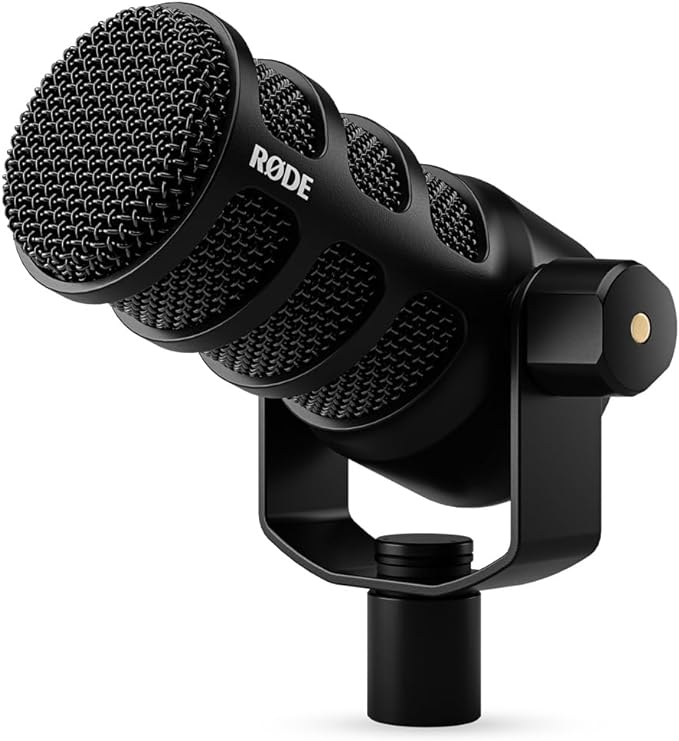
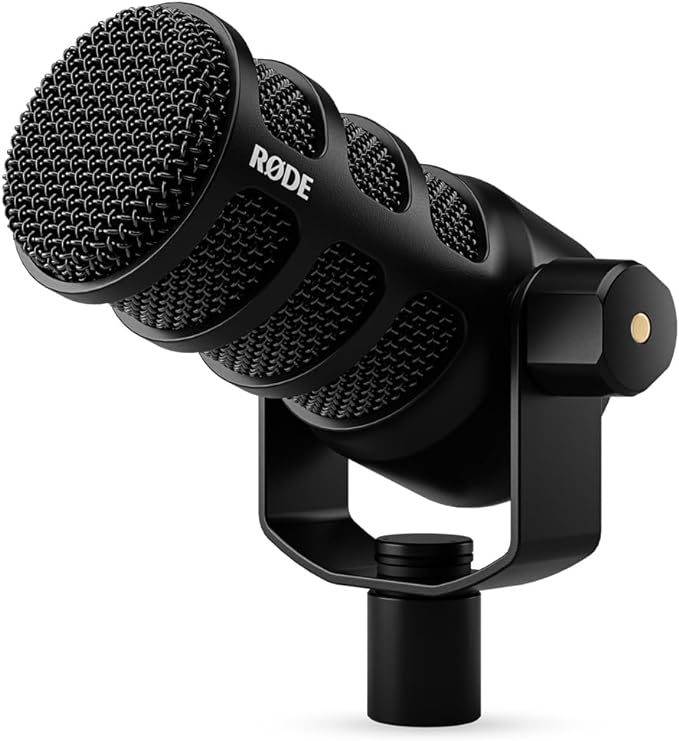
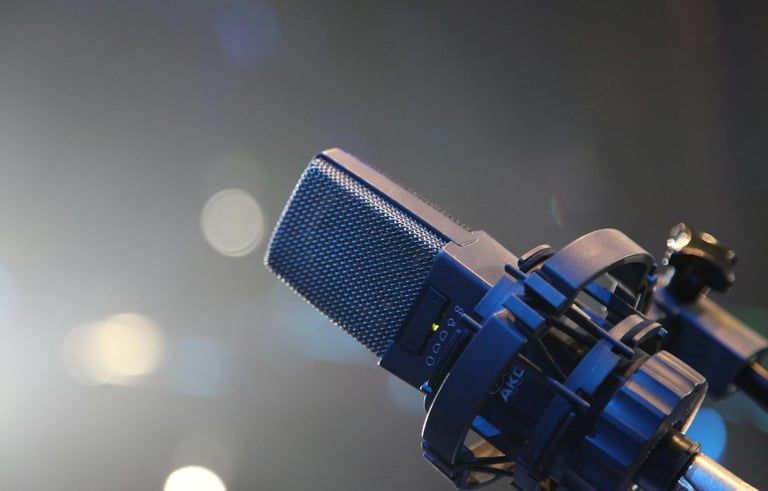
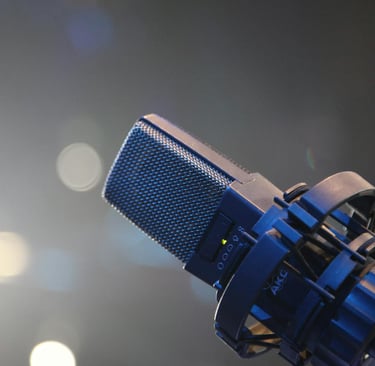
Condenser mics are the ones you’ll usually see in studios.
Price: mid to high, so they’re more of an investment.
Sensitivity: very high, they pick up even the smallest sounds.
Frequency response: wide and clear, especially good for mids and highs.
Polar pattern: usually cardioid, but some can be omni or figure‑8.
Durability: not as tough, they need careful handling and power (phantom +48V or a battery).
Main use: perfect for studio recording, podcasts, vocals, and acoustic instruments.
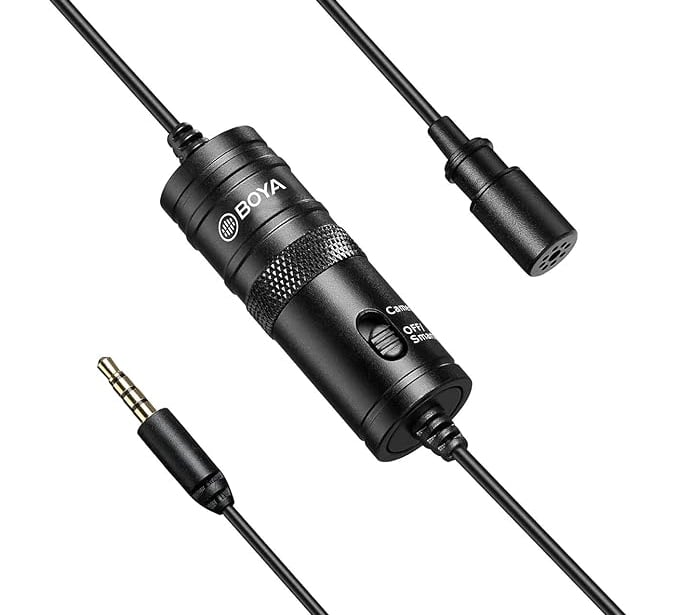
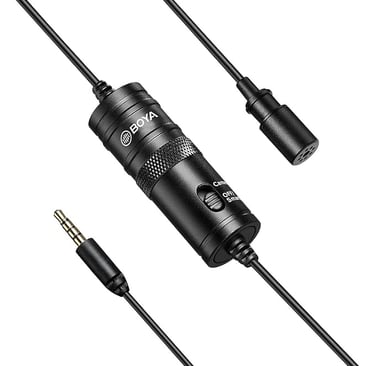
Electret mics are the ones you often find built into everyday gadgets.
Price: usually cheap to mid‑priced.
Sensitivity: medium to high, so they pick up sound pretty well.
Frequency response: clear in highs and mids, but not great for deep bass.
Polar pattern: can be cardioid or omnidirectional, depending on the design.
Durability: moderately tough—stronger than big condensers but weaker than dynamics.
Main use: found in portable recorders, phones, lapel mics, and everyday applications.
Ribbon are special because of their warm, old‑school sound, but they’re fragile.
Price: usually high
Sensitivity: low
Frequency response: excellent in lows and mids, limited in highs
Polar pattern: bidirectional (figure‑8, most common)
Robustness: very fragile, sensitive to shocks and wind
Main use: studio recording for vocals and acoustic instruments, warm and vintage sound
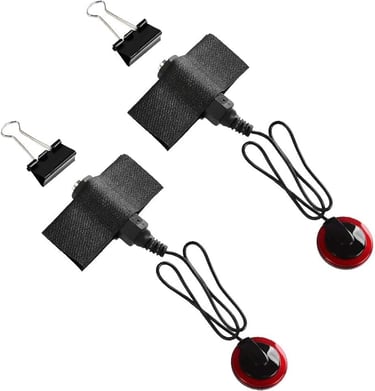
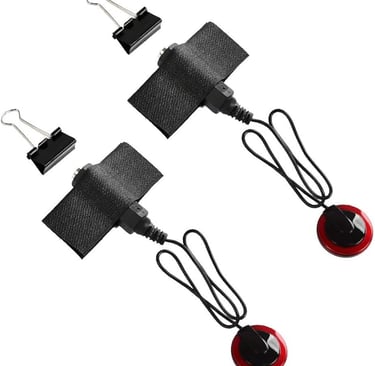
Contact mics work differently from regular ones—they pick up vibrations instead of air sound.
Price: usually cheap to mid‑priced.
Sensitivity: low to medium, good enough for surface vibrations.
Frequency response: focused on mids and highs, bass isn’t very clear.
Polar pattern: doesn’t apply, since they don’t capture air sound but direct vibrations.
Durability: tough, made to handle physical contact and vibration.
Main use: great for picking up acoustic instruments from their surface (like guitars, violins, drums), for experimental recording, or technical uses.
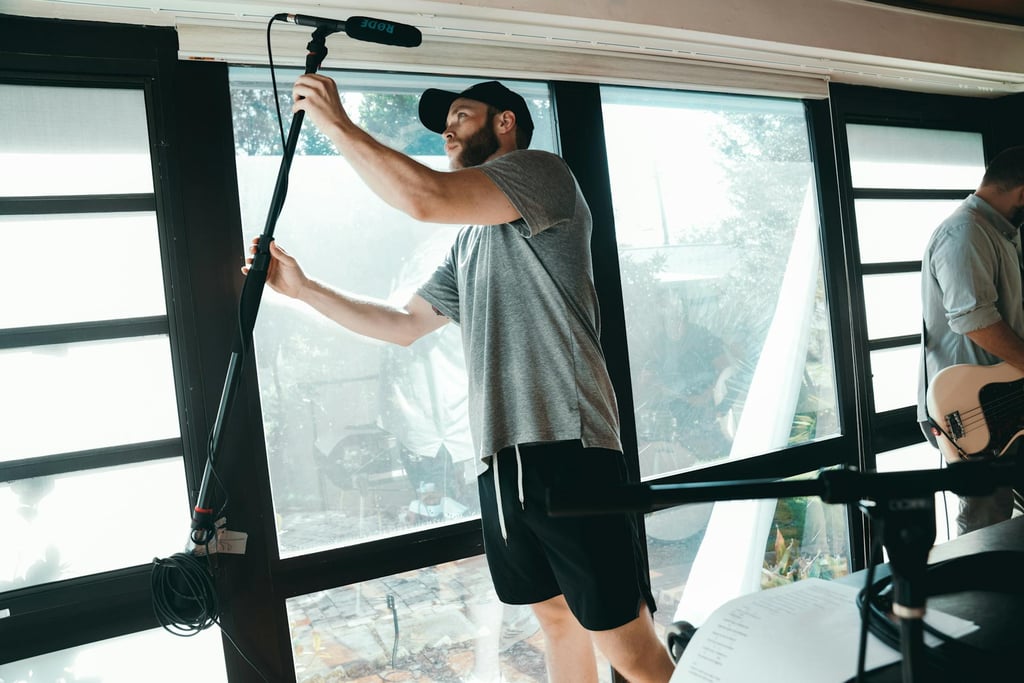
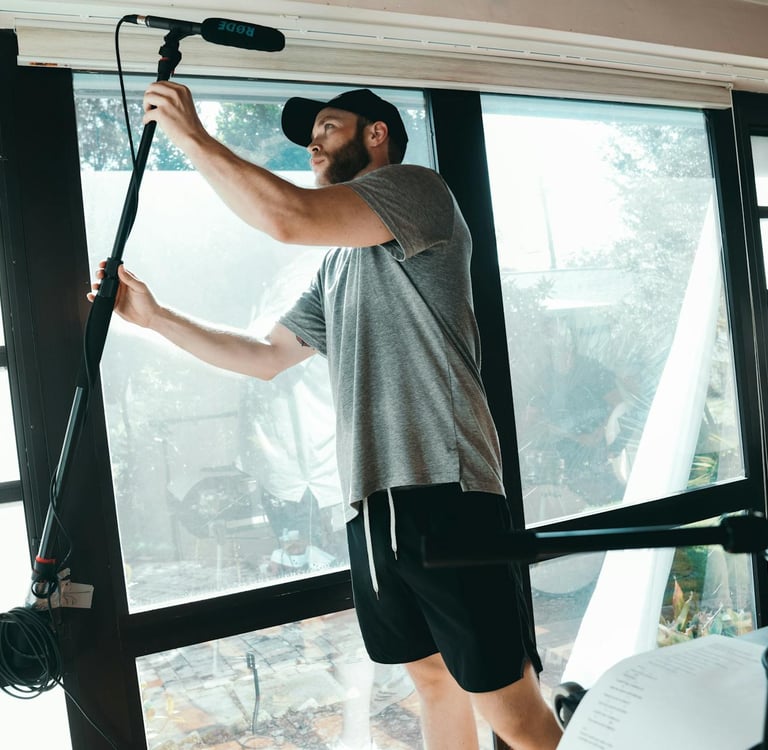


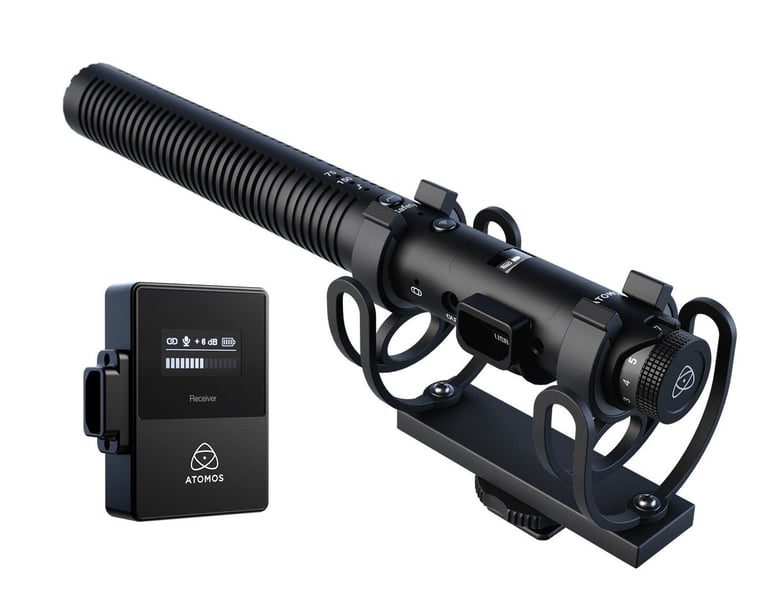
Boom or shotgun mics are the ones you see on movie sets, pointing at actors from above.
Price: usually expensive.
Sensitivity: medium to high, so they catch voices clearly even from far away.
Frequency response: good for mids and highs, but bass isn’t very strong.
Polar pattern: supercardioid or hypercardioid, meaning they’re very directional.
Durability: fairly tough, but outdoors they need wind protection.
Main use: perfect for film, TV, and recording dialogue at a distance when mounted on boom poles.
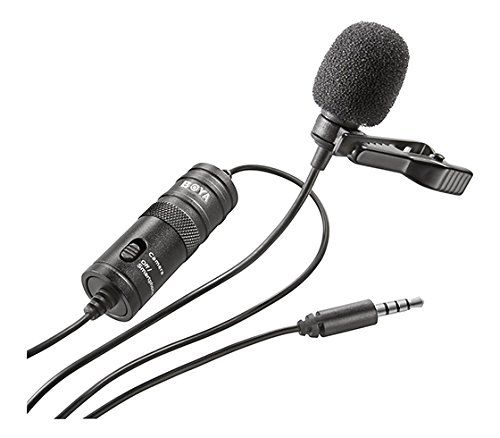
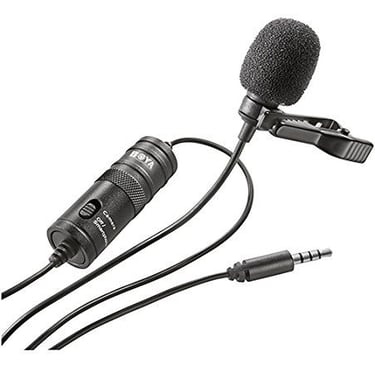
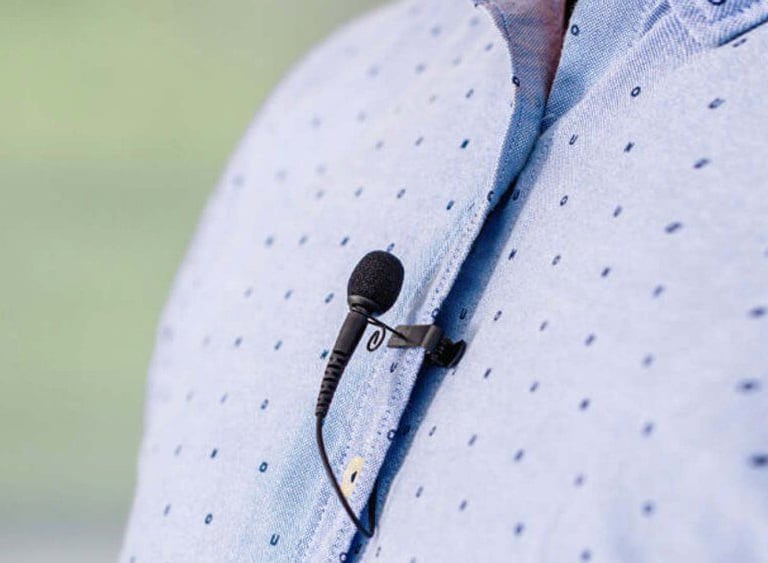
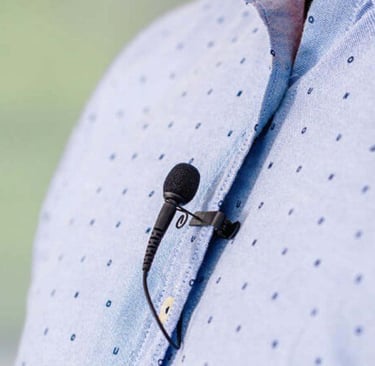
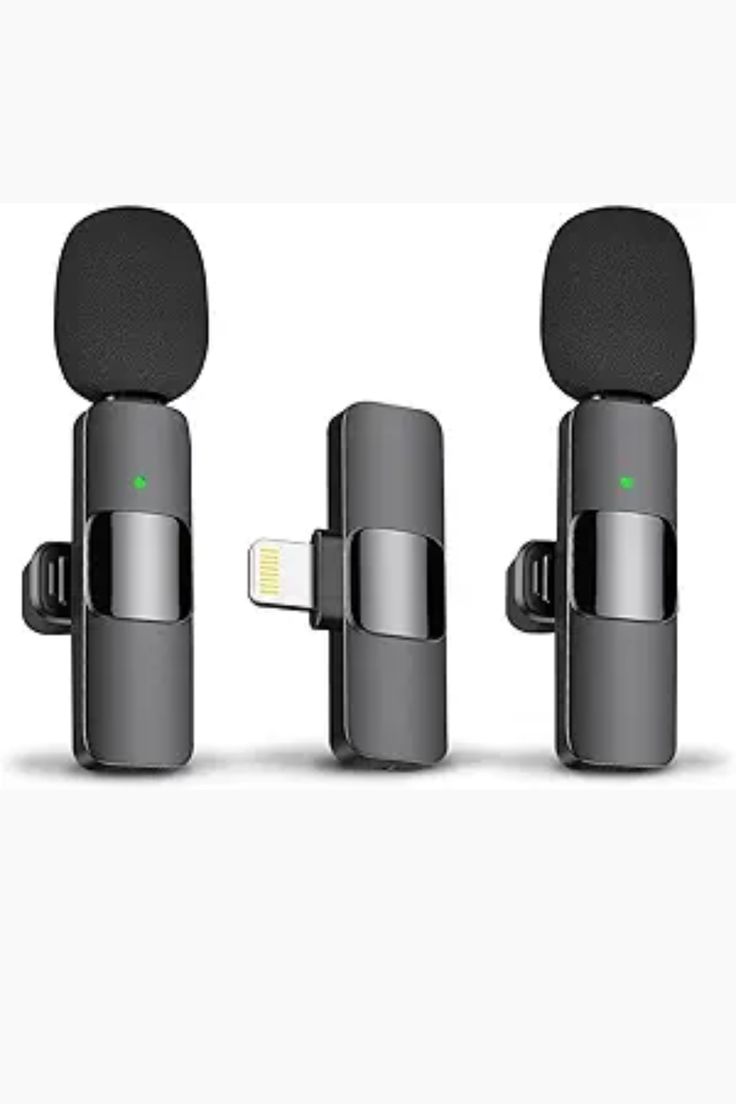
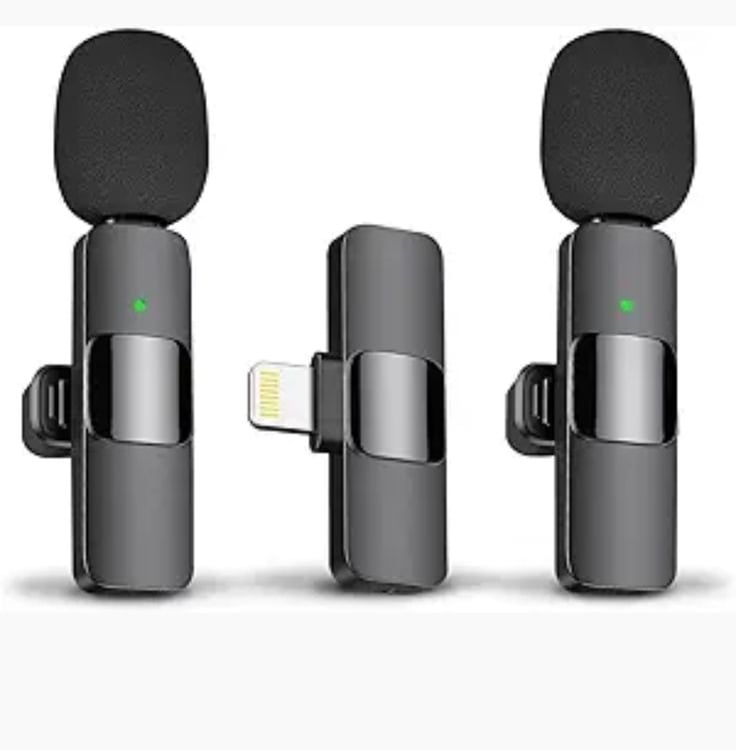
Lavalier mics are the tiny ones you clip to your shirt or tie.
Price: usually mid‑priced.
Sensitivity: medium to high, so they capture voices clearly.
Frequency response: good for mids and highs, but bass is limited because of their small size.
Polar pattern: mostly omnidirectional, though some cardioid versions exist.
Durability: fairly tough, but they can pick up noise from clothes rubbing or sweat.
Main use: perfect for interviews, theater, conferences, and presentations where you need to be discreet and hands‑free.
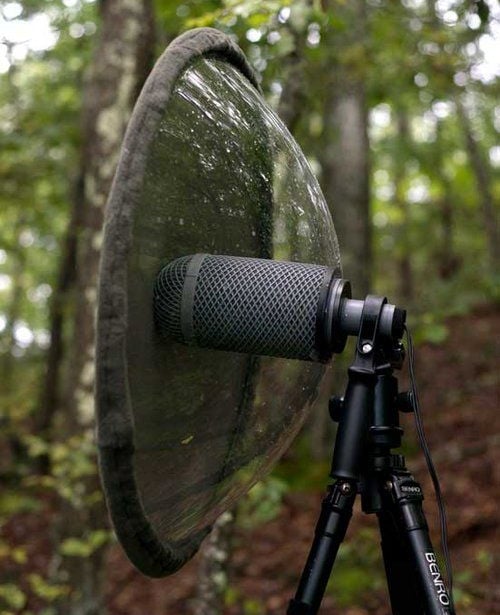
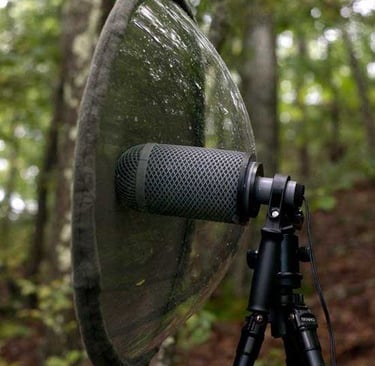
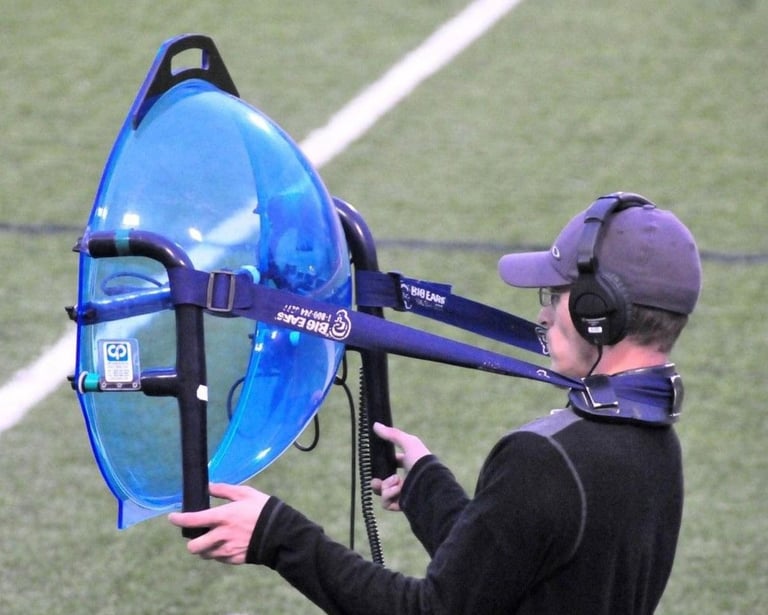
Parabolic mics are the ones with a dish‑like reflector that let you “zoom in” on distant sounds.
Price: usually expensive.
Sensitivity: very high, so they can pick up noises from far away.
Frequency response: clear in mids and highs, but bass is limited by the design.
Polar pattern: super directional, thanks to the parabolic dish that focuses the sound.
Durability: fairly tough, but you need to handle them carefully when setting up or moving them.
Main use: great for sports, nature recordings, surveillance, or any outdoor situation where you need to capture specific sounds from a distance.
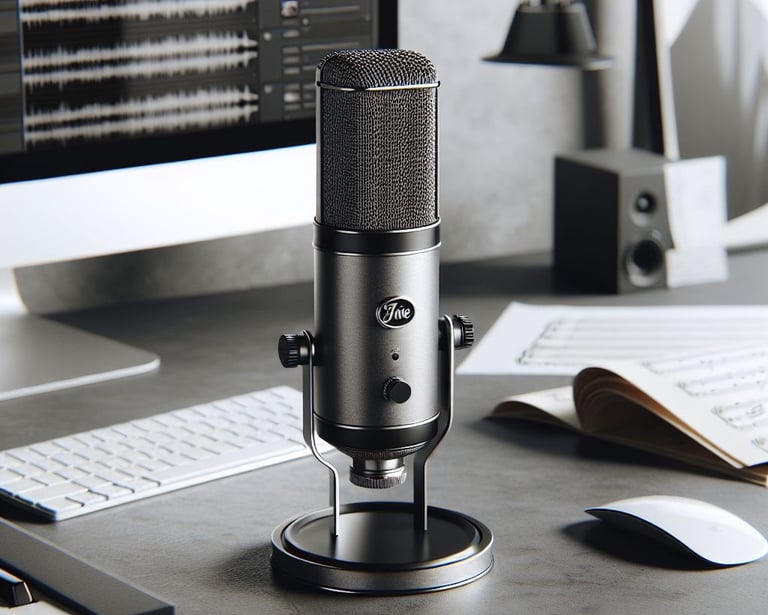
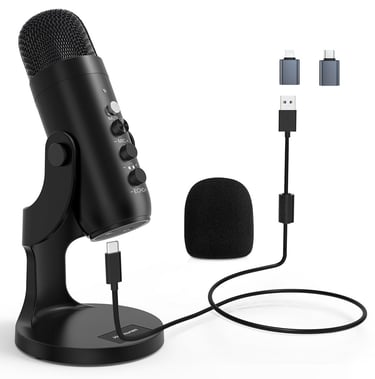
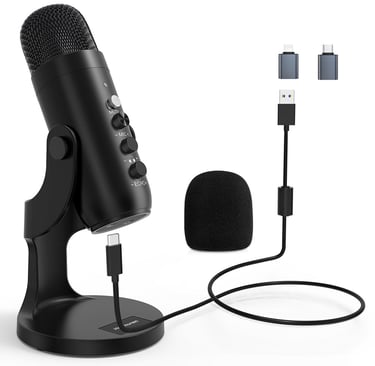
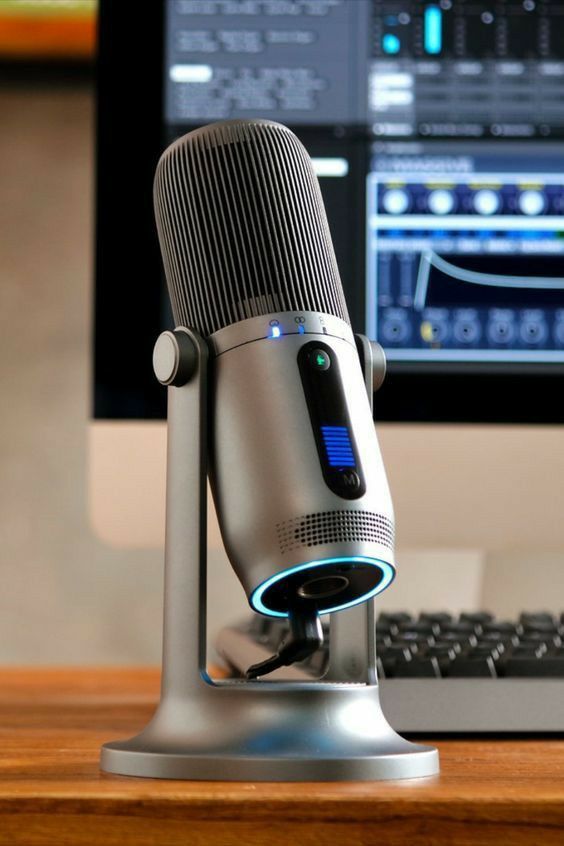
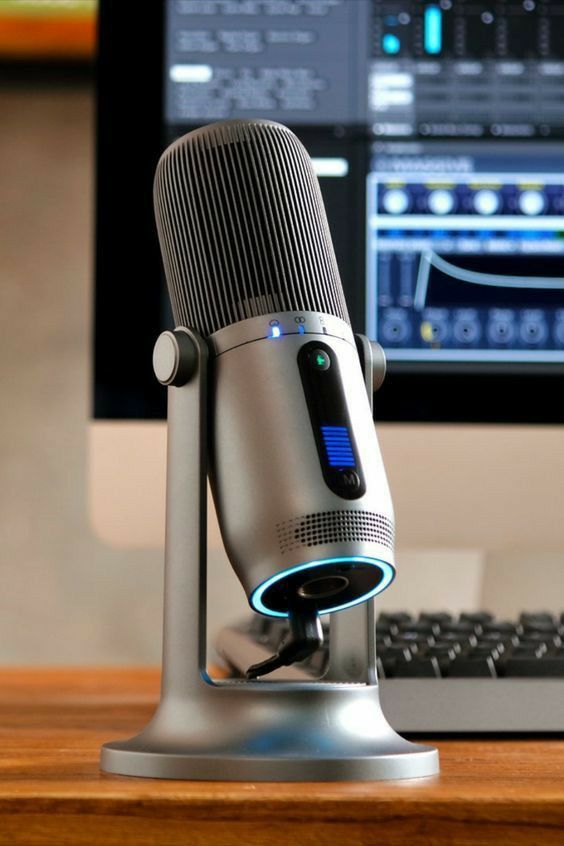
USB mics are the easy‑to‑use ones you plug straight into your computer.
Price: usually cheap to mid‑priced.
Sensitivity: medium to high, so they capture voices and instruments clearly.
Frequency response: wide and clear, great for talking or music, but not as detailed as pro condensers.
Polar pattern: mostly cardioid, though some models let you switch patterns.
Durability: fairly tough, but not as strong as traditional dynamic mics.
Main use: perfect for home recording, podcasts, streaming, and video calls with simple USB connection.
Wireless mics are the ones that let you move freely on stage without cables.
Price: usually mid to high.
Sensitivity: depends on the capsule—dynamic or condenser—but usually medium.
Frequency response: works like the capsule it uses, good for voices but not great for deep bass.
Polar pattern: mostly cardioid, though it can change with the capsule.
Durability: fairly tough, but you need to take care of the batteries and the RF signal.
Main use: perfect for concerts, conferences, theater, and events where mobility matters.


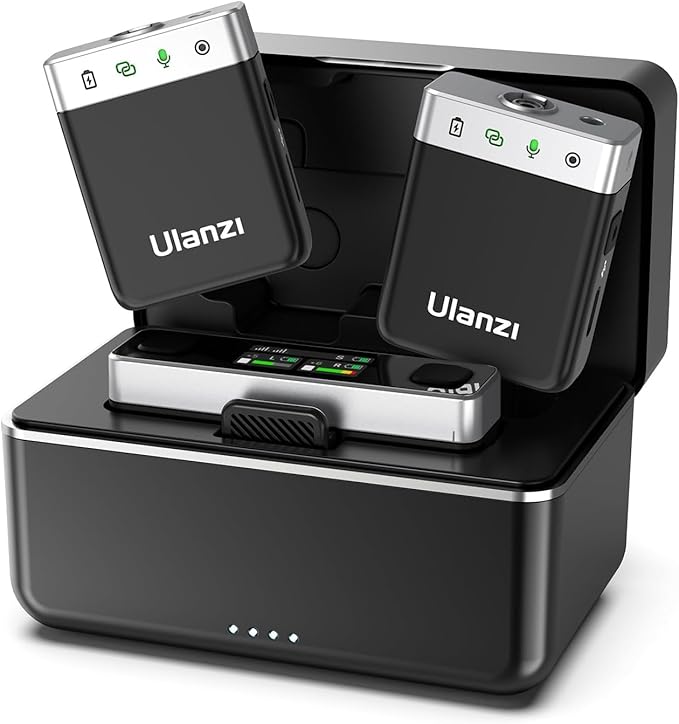


To wrap up, it’s important to note that microphones aren’t limited to a single category. Many models blend characteristics—for example, lavaliers paired with wireless systems, or USB condensers for home studios. As we’ve seen, there are two main ways to classify them: by how they work and by how they’re used. And in practice, these categories often intersect, giving us versatile tools that adapt to different needs
Wondering what all these features are? No problem! If you didn’t read the last article, here’s the link so you can check it out: Microphone Characteristics
Tips and tutorials for aspiring creators.
© 2025. All rights reserved.


TAGS: