

10 Easy ways to record your voice when you don’t have much money to spend.
Want better sound at home without spending on a studio? This article shares 10 easy ways using things like curtains, boxes, or even your car. Each idea helps reduce echo and improve clarity. Don’t miss the last tip—it’s one you definitely won’t expect
Alberto Cano
12/19/2025
Modern devices often come equipped with decent microphones, but true quality lies in the details. With a few extra steps, you can elevate your recordings and spare yourself the frustration of battling echo and reverberation in everyday spaces.
Not every tip works in every environment. What truly matters is isolating the space where you record. By controlling sound in that specific area, you’ll avoid the dreaded reverberation—the echo that sneaks into microphones and ruins otherwise great takes.
So let’s go with some low-budget tips that might seem “forbidden”:
Tip No. 1: Record on a sofa.


On a sofa? Yes, that’s right. The soft material of the sofa helps absorb sound. Remember that audio, whether picked up by the microphone or our ears, travels in waves. Therefore, we should avoid as many flat or hard surfaces as possible. With this, you can probably already guess what the next tips will be, right?
Tip No. 2: Record inside a closet with clothes hanging.


Same as before: soft fabric helps absorb echo. It works like a natural acoustic panel.
Tip No. 3: Cover yourself with a thick blanket like a “tent.”
Strange advice? Maybe. But even if it looks ridiculous, it drastically reduces sound reflections.


Tip No. 4: Use cushions around the microphone.
Placing pillows, cushions, or even stuffed animals behind and beside the microphone creates an improvised acoustic barrier.


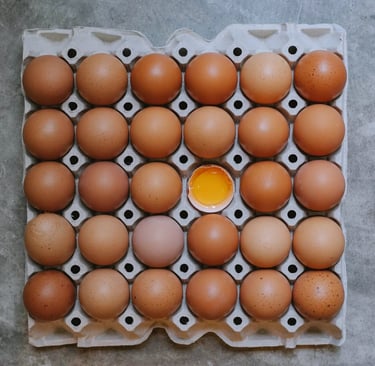
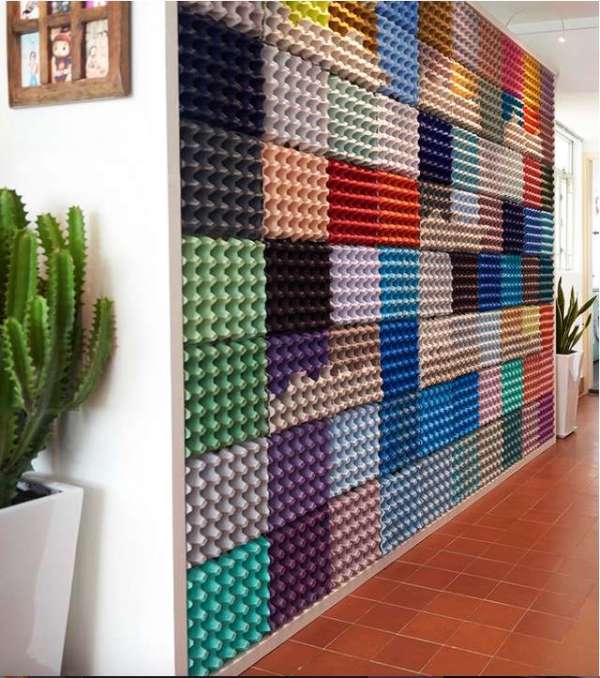
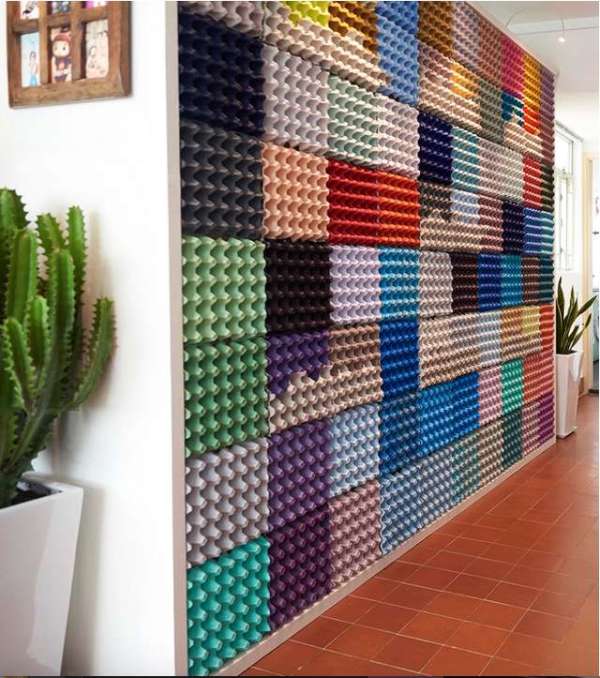
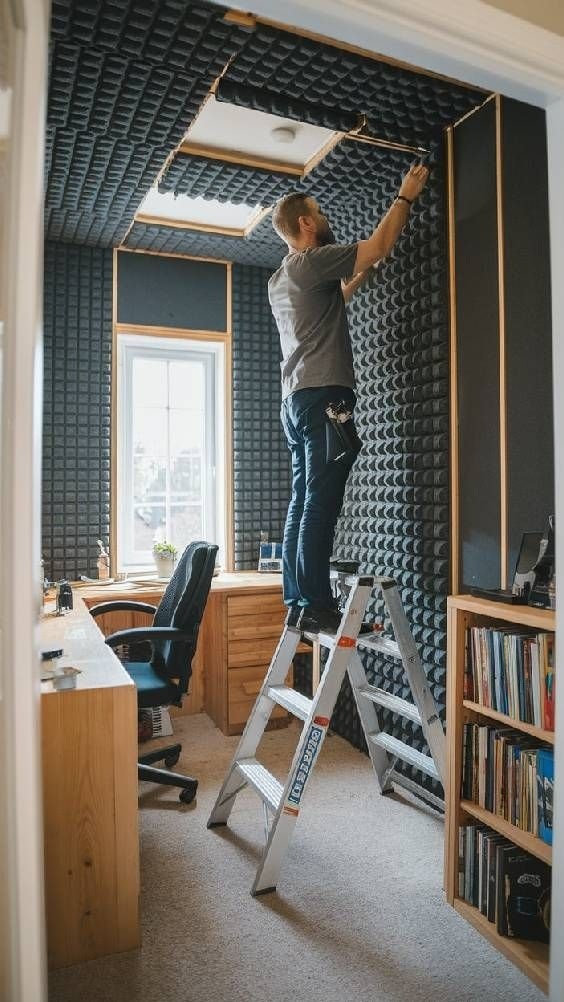
Tip 5: Try egg cartons as a homemade sound diffuser.
They’re not as good as real acoustic foam, but they help if you want to cover a big area. Just make sure you have enough cartons so you don’t run out.



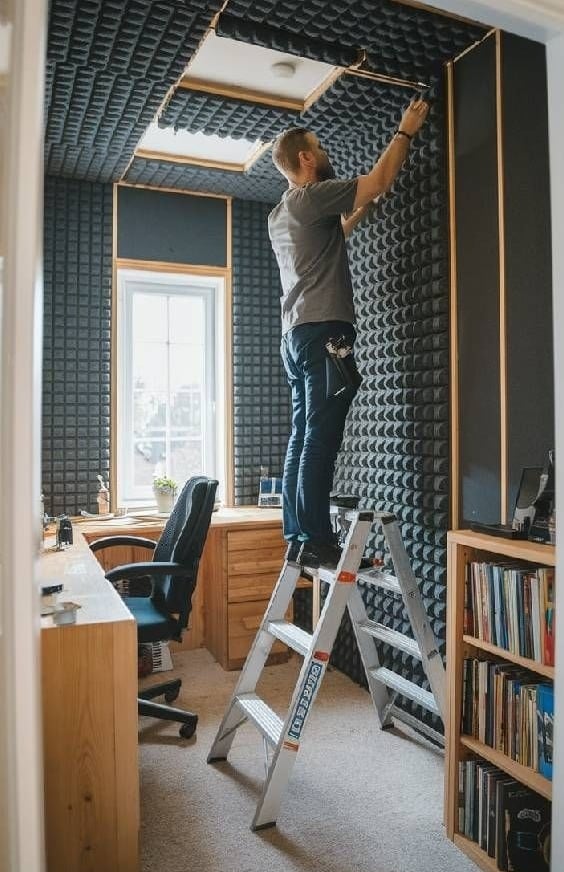
Tip 6: Record in a parked car.


Don’t ever do it while driving—it’s unsafe. So SERIOUSLY, only do this with the car parked. Once warned, you’ll find that the interior of a car is surprisingly quiet and padded, making it ideal for quick recordings.
Tip No. 7: Cardboard box lined with fabric or foam.
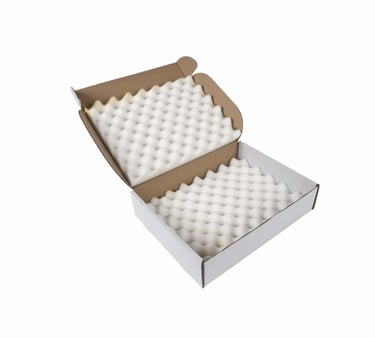
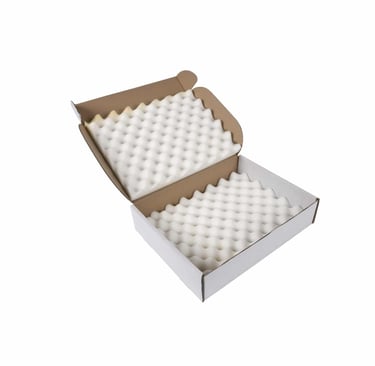
Unlike Tip No. 2, this can be considered a portable “mini booth,” following the same principle where fabric or foam acts as a sound absorber.
Tip No. 8: Use heavy curtains or blankets hung on the wall.
This simple trick reshapes any room, dampening reflections and creating a warmer, more controlled acoustic environment—almost like turning your living space into a mini studio.
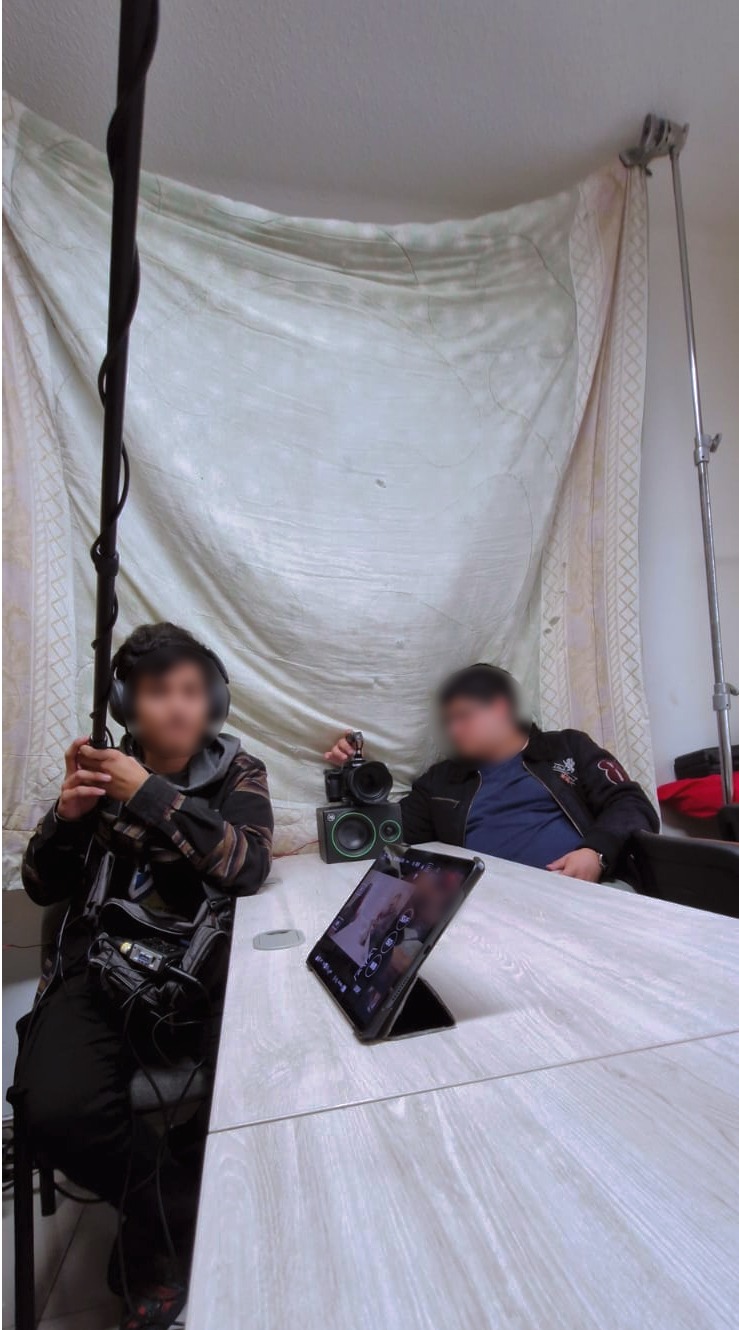
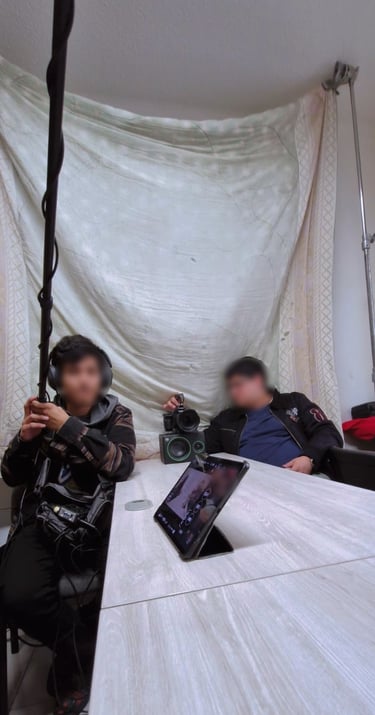
Tip No. 9: Don’t record near corners or bare walls.
When covering the entire recording space isn’t possible, position yourself in the center of the room. Surround yourself with soft furniture—sofas, cushioned chairs, or anything with fabric—to create a natural acoustic buffer that keeps your sound clean.


Tip No. 10: Water bottles or books.
Surprising, right? At first glance, both objects seem too rigid to help with sound. But here’s the catch: the “fine print” reveals a clever trick. Let’s break down how each one works.
Water bottles: An unexpected acoustic ally.
The liquid inside absorbs internal vibrations, while the cylindrical shape and clear plastic scatter sound unevenly. Grouped together around your microphone, they form a kind of “forest” that breaks up reflections and disperses sound in multiple directions—an improvised diffuser that’s surprisingly effective




Books: Why do books help?
Because their very structure disrupts sound. Opened or stacked at angles, they break the monotony of flat surfaces. Rather than letting sound bounce back in a sharp, clean reflection, the pages and edges scatter the waves. While not as absorbent as fabric, books soften echoes by interrupting direct rebounds—an elegant, low-cost trick hidden in plain sight.
It’s not that they absorb sound like a blanket or a sofa, but rather that they interrupt the straight path of the sound. By breaking the wave into multiple directions, the echo is reduced and the recording sounds cleaner.
Improving the quality of your recordings doesn’t always require large investments. With creativity and everyday materials, it’s possible to effectively reduce echoes and reverberation. The key is to understand how sound travels and apply practical solutions within the available space.
In summary...
Tips and tutorials for aspiring creators.
© 2025. All rights reserved.


TAGS: